
Why Your Feet Hurt More After Successful Weight Loss
Losing weight is a major milestone for your overall health, significantly reducing the strain on your knees, hips, and lower back. However, many people are surprised to find that as the numbers on the scale go down, the discomfort in their feet goes up. This phenomenon, often referred to recently as "Ozempic feet" in the media, is actually a well-known medical condition called fat pad atrophy.
If you are experiencing foot pain after weight loss, you aren't imagining it. While you've reduced the vertical pressure on your feet, you may have also lost the natural "shock absorbers" that make walking comfortable. Understanding how to replace that lost cushioning is the key to enjoying your new, active lifestyle without pain.
What is Fat Pad Atrophy?
Your feet are equipped with thick layers of adipose tissue (fat) located under the heel bone and the ball of the foot. These pads act as internal cushions, protecting your bones, nerves, and blood vessels from the impact of the ground. When you lose a significant amount of weight—especially if that loss is rapid—these fat pads can thin out.
Without this natural padding, your metatarsal bones and heel bone are forced to absorb more impact directly. This leads to a burning sensation, sharp pains when walking on hard surfaces, and increased sensitivity in the forefoot.
Signs You Are Losing Your Natural Foot Cushioning
- Pain on hard floors: You find it increasingly difficult to walk barefoot on tile or hardwood.
- Burning sensation: A persistent ache or heat in the ball of your foot or heel after standing.
- Visible changes: Your toes or the bones in your feet appear more prominent than before.
- Callus formation: Your body may try to protect the area by building up thick skin, which you can manage with a Glass Callus Remover.
How to Manage Foot Pain After Weight Loss
Since you cannot "regrow" fat pads through exercise, the solution lies in external supplementation—essentially adding the cushion back into your shoes. Here is how to rebuild your foot's defense system:
1. Targeted Cushioning for Hot Spots
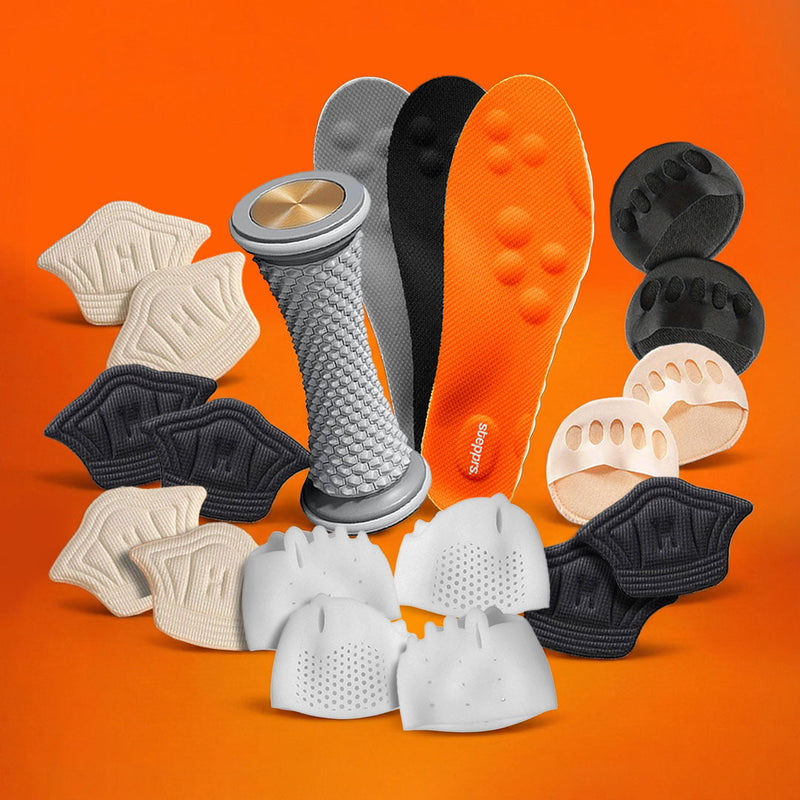
If the pain is concentrated in specific areas, targeted pads are the most effective solution. For those feeling the impact in their heels, Heel Cushion Pads provide a soft, cotton-based layer that mimics the missing fat. If the pain is in the forefoot, Toe Cushion Pads absorb friction and pressure in the toe box, preventing the "bone-on-ground" feeling.
2. Full-Foot Shock Absorption
For general discomfort, a full-length insole is necessary. Plush Insoles are specifically designed for those who prioritize softness and impact distribution. They wrap the entire foot in a cloud-like layer, making up for the lost natural adipose tissue across the entire sole.
3. Active Recovery and Circulation
Thinning fat pads can lead to increased inflammation. Using a Foot Spa at the end of the day helps soothe the soft tissues and improve circulation to the stressed areas of the foot. For a more comprehensive approach, the Ultimate Foot Relief Kit combines internal support with recovery tools like massage rollers to keep your feet resilient.
Checklist: Choosing the Right Support
- Identify the pain: Is it localized (heel/ball) or general?
- Check your footwear: Avoid flat shoes with no midsole; they offer zero protection for atrophied pads.
- Layer your protection: Combine Compression Socks with insoles to manage both swelling and impact.
- Don't ignore the ache: Fat pad atrophy can lead to stress fractures if left unmanaged.
Frequently Asked Questions
Can weight loss cause permanent foot pain?
Weight loss doesn't damage the structure of the foot, but it changes the environment. By using high-quality orthotics and cushions, you can eliminate the pain and protect your bones from long-term damage.
Will my fat pads come back if I gain weight?
Not necessarily. Fat pads are unique structures; once they atrophy significantly due to age or rapid weight loss, they often require external support (insoles and pads) to maintain comfort levels.
What are the best shoes for fat pad atrophy?
Look for shoes with a high "stack height" and plenty of foam. However, even the best shoes often need an extra boost from Massage Insoles to provide the specific acupressure and support needed for thinning soles.